
SUITE #222
NV 89113



AND MISSION
Have You Been Injured? Our Las Vegas Personal Injury Lawyers Can Help
Welcome to Miller Personal Injury Attorneys in Las Vegas, where we understand the challenges and uncertainties that victims with personal injuries face.
As a personal injury victim in Las Vegas, you are looking for results – you want to be made whole again, to receive proper medical care, and to be financially compensated for your losses. At Miller Personal Injury Attorneys, our mission is to help you achieve these goals. Our law office is committed to advocating for your rights and pursuing the best possible outcome, and recovery, for you and your case.
If you’re feeling confused and overwhelmed, unsure of what steps to take next, you’re not alone. Navigating the legal process can be daunting, especially when you’re already dealing with the aftermath of an injury. That’s where we come in. With our knowledgeable and compassionate approach, we will guide you through every step of your personal injury claim, offering clarity and support every step of the way.

Introducing
Miller Personal Injury Attorneys
Serious Injuries. Serious Representation. Let Attorney Danielle Miller Get You The Results You Deserve.

Personal Injury Practice Areas
The unique experience and expertise of Attorney Danielle Miller in personal injury law allow us to provide comprehensive guidance and representation across a wide range of practice areas.
We are dedicated to staying at the forefront of legal developments and leveraging our in-depth knowledge to achieve the best possible outcomes for our clients.








What Sets Our Las Vegas Injury Law Firm Apart
At Miller Personal Injury Attorneys, we stand out from other Las Vegas personal injury law firms in several key ways.
Our unwavering commitment to personalized client care sets our law firm apart, as we prioritize building strong, individualized relationships with each client to truly understand their unique needs and concerns. Rather than taking a one-size-fits-all approach, we tailor our legal strategies to the specific circumstances of each case, ensuring that every client receives the attention and support they deserve.
Our experience and expertise in personal injury law allow us to provide comprehensive guidance and representation across a wide range of practice areas. We are dedicated to staying at the forefront of legal developments and leveraging our in-depth knowledge to achieve the best possible outcomes for our clients.




What To Do After An Accident
If you’re feeling confused and overwhelmed, unsure of what steps to take next after an accident in the Greater Las Vegas area, you’re not alone.
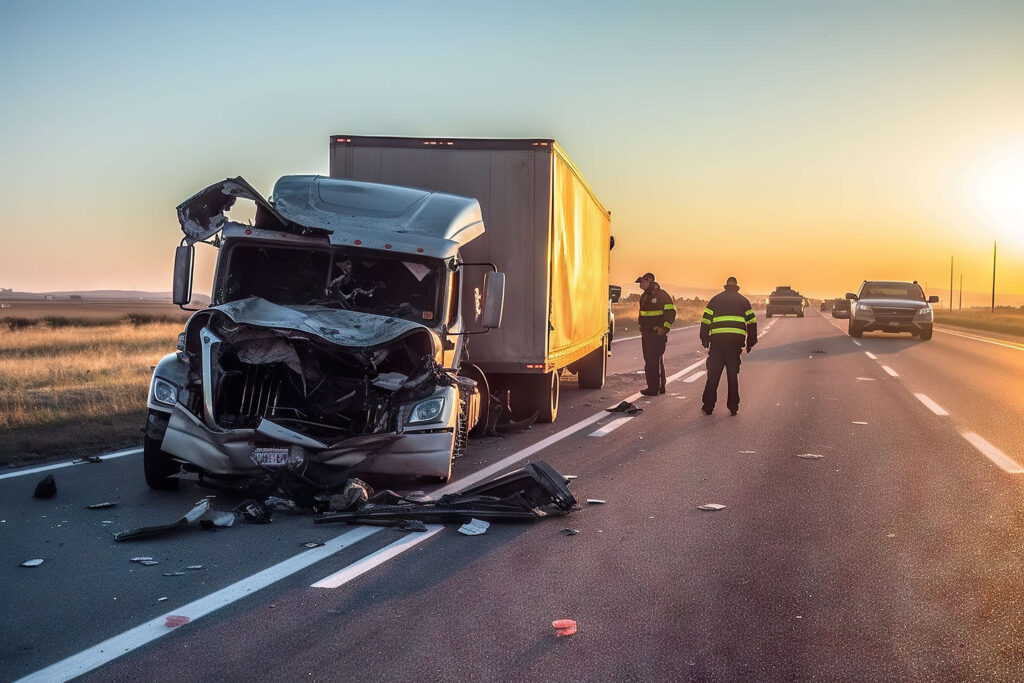
Whether you’ve been injured in a car accident, motorcycle accident, truck accident, rideshare accident, slip and fall, sexual assault/abuse, dog bites, or suffered any other injuries in the greater Las Vegas area, we are here to provide you with the personalized attention and expert representation you deserve. Our mission is to alleviate your burden, empower you with knowledge, and secure the compensation you need to move forward with your life.
Settlements & Verdicts
As a personal injury victim, you are looking for results – you want to be made whole again, to receive proper medical care, and to be financially compensated for your losses.
Whether you’ve been injured in a car accident, slip and fall, or suffered any other injuries, we are here to provide you with the personalized attention and expert representation you deserve. Our mission is to alleviate your burden, empower you with knowledge, and secure the compensation you need to move forward with your life.


Success Stories
At Miller Personal Injury Attorneys, our commitment to excellence, our individualized approach, legal acumen, transparency, and unwavering advocacy combine to set us apart as a leading force in the field of personal injury law.
We approach each case with compassion, dedication, and a relentless pursuit of justice, working tirelessly to secure the compensation and closure our clients deserve.
ASKED QUESTIONS
Frequently
Asked Questions
We believe in keeping our clients fully informed throughout every stage of the legal process, empowering them to make well-informed decisions about their cases.
Recently Asked Topics
Yes. A free consultation injury lawyer meeting typically involves discussing the circumstances of your accident, the extent of your injuries, and possible legal strategies. We’ll outline your rights and explain how our contingency fee arrangement works.
Common evidence includes accident reports, medical records, witness statements, photographs, and expert testimony. Our attorneys handle the evidence collection process for you, ensuring that no crucial details are overlooked.
Even if your injuries seem minor, consulting a Las Vegas personal injury lawyer ensures that any potential future complications are accounted for. An attorney can help you understand your rights and negotiate with insurance companies, possibly securing a better outcome.
Settlements are typically based on the severity of your injuries, medical bills, loss of income, property damage, and pain and suffering. Each case is unique, and our team conducts a thorough assessment to determine a fair amount.
Nevada follows a modified comparative negligence system. As long as you are not more than 50% at fault, you can still recover compensation, though it may be reduced based on your percentage of fault.
North Las Vegas is undergoing rapid development and expansion, which can influence local traffic conditions and property standards. Working with a lawyer familiar with these developments is key to building a strong case.
In most cases, the deadline is two years from the date of the accident, by the Nevada statute of limitations personal injury law. Consult an attorney promptly to avoid missing any critical deadlines.
You may be eligible for economic damages (medical bills, lost wages), non-economic damages (pain and suffering, emotional distress), and, in some cases, punitive damages if the defendant’s actions were particularly reckless.
Most reputable personal injury firms operate on a contingency fee basis, meaning you pay no upfront fees. We only receive payment if we secure a settlement or verdict in your favor.
Move to a safe area, call the police, seek medical attention, document the scene with photos, and exchange information with the other driver. It’s also advisable to consult an accident attorney in North Las Vegas soon after to protect your interests.
Contact us for a free, no-obligation consultation via phone, text, or email. We’ll explain your options and guide you toward the best path for your case.
Our experienced team will aggressively negotiate or take your case to court to ensure you receive the compensation you deserve.
You may recover medical expenses, lost wages, pain and suffering, emotional distress, and other damages. Our attorneys fight to maximize your compensation.
Yes, we provide convenient virtual consultations so you can discuss your case from anywhere in Las Vegas, Henderson, or North Las Vegas.
Our process begins with a free consultation, followed by evidence collection, claim filing, insurance negotiations, and if necessary, litigation. We keep you informed at every step.
Seek medical care, document the accident details, and contact Miller Personal Injury Attorneys promptly. We will guide you through the legal process to protect your rights.
Nevada law generally requires filing your personal injury claim within two years from the accident date. Some exceptions exist for minors or special circumstances.
We work on a contingency fee basis, meaning you pay nothing upfront and only after we win your case. This ensures affordable access to quality legal representation.
Our experienced legal team offers personalized client care, a results-driven approach, and a proven track record of success. We serve Las Vegas and surrounding areas with compassionate and expert representation.
We specialize in car, truck, motorcycle, rideshare accidents, premises liability, dog bites, sexual assault, brain injuries, and wrongful death cases throughout Las Vegas, Henderson, and North Las Vegas.
As a board member for the non-profit Signs of Hope, and as a Certified Victim Advocate, Attorney Danielle Miller brings a unique and highly relevant skill set to handling a sex abuse and sexual assault civil lawsuit. Through her advocacy work, Danielle is equipped with the knowledge and skills necessary to provide comprehensive support to survivors, both emotionally and legally, enabling her to guide survivors through the often daunting legal processes with compassion and expertise.
Yes, you may still have options for compensation, such as filing a claim under your own uninsured/underinsured motorist coverage, if you have that type of coverage under your insurance policy. An attorney can help navigate this situation and explore all possible avenues for recovery.
Avoid admitting fault, signing any documents from insurance companies without legal advice, or settling your claim too quickly. These actions can jeopardize your right to full compensation.
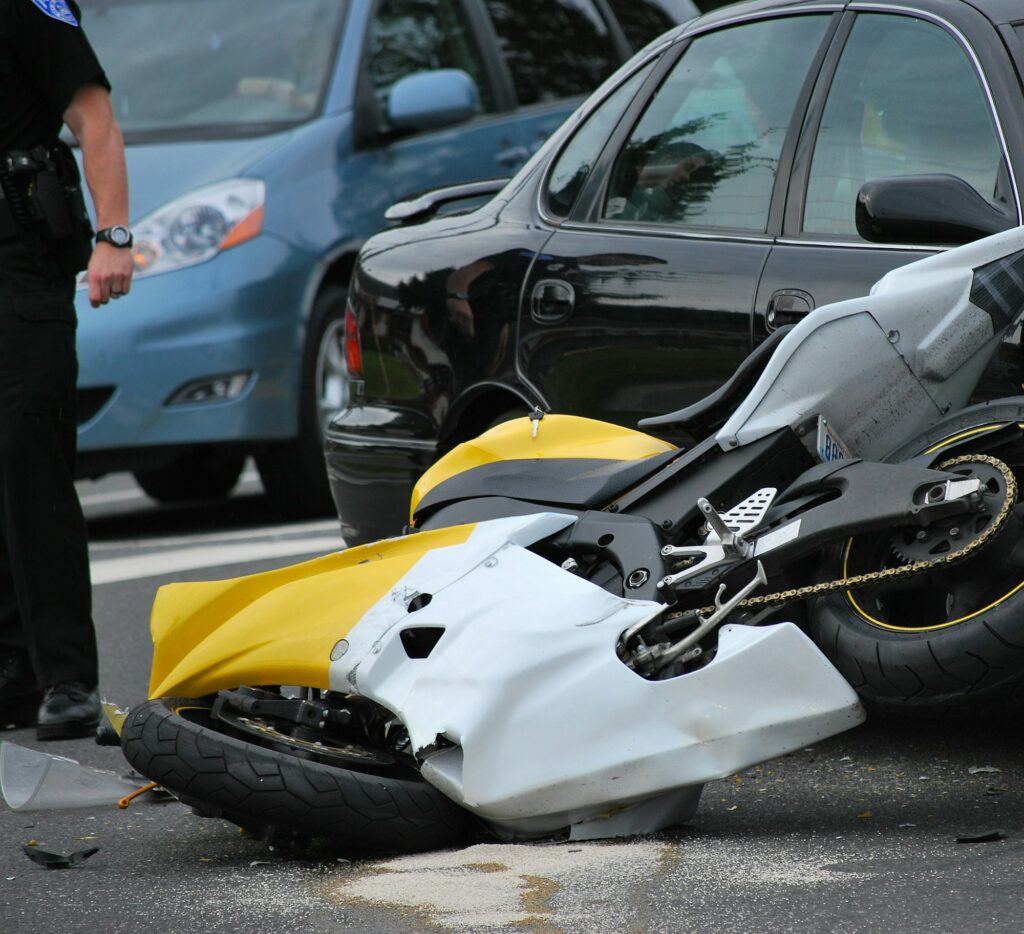
Nevada law requires all motorcycle riders and passengers to wear helmets. Failure to comply can impact your case, potentially reducing your compensation under the comparative negligence rule, as not wearing a helmet could be considered contributory negligence.
Yes, under Nevada’s modified comparative negligence rule, you can still recover damages if you’re found to be less than 50% at fault for the accident. However, your compensation will be reduced by your percentage of fault.
Nevada follows a “fault” or “at-fault” system for motorcycle accidents. This means the party found to be at fault is responsible for damages. You can file a claim with your insurance company, the at-fault party’s insurance company, or pursue a lawsuit to recover damages for your inju.
After ensuring your safety and that of others, call emergency services for medical and police assistance. Exchange information with the other involved parties, gather witness details, and document the scene with photos. Seek medical attention as soon as possible, even if your injuries seem minor.
Product liability refers to the legal responsibility borne by manufacturers, distributors, wholesalers, or retailers for any injuries or damages caused by their products. This can include physical injuries, lost wages, property damage, pain and suffering, and other types of loss resulting from a defective product.
There are typically three types of defects considered in product liability cases: design defects (flaws in the product’s design making it inherently dangerous), manufacturing defects (errors occurring during the manufacturing process making the product unsafe), and marketing defects (failure to provide adequate warnings or instructions regarding the product’s use).
Liability can extend to any party within the product’s distribution chain, including the product manufacturer, a manufacturer of component parts, a party that assembles or installs the product, the distributor, the wholesaler, and the retail store that sold the product to the consumer.
Product liability claims are typically based on three legal theories: negligence, strict liability, and breach of warranty. The applicable theory depends on the specifics of the case and the jurisdiction’s laws.
Under strict liability, the plaintiff does not need to prove that the manufacturer or seller was negligent. It is enough to show that the product was defective, the defect made the product unreasonably dangerous, and the defect caused injury or damage. In negligence cases, the plaintiff must prove that the defendant failed to exercise reasonable care.
The statute of limitations for a product liability claim is two (2) years with limited exceptions, including the discovery rule and tolling. It’s crucial to consult with an attorney to determine whether your claim falls within the statute of limitations, and if not, whether one of the limited exceptions applies.
Yes, product liability claims can be filed for used products. However, proving a claim might be more challenging, as it may be harder to trace the product’s distribution chain or demonstrate that the product was not altered or misused after its initial sale.
Damages in a product liability case can include medical expenses, lost wages, pain and suffering, property damage, and, in some cases, punitive damages intended to punish the defendant for particularly reckless or egregious behavior.
Yes, defendants in product liability cases may have several defenses, including arguing that the plaintiff misused the product in a way that was unforeseeable, that the plaintiff’s own negligence contributed to their injury, or that the product was altered after it left the manufacturer’s control.
While it’s not legally required, navigating a product liability claim can be complex, involving intricate legal theories and significant evidence gathering. Consulting with an experienced product liability attorney like Miller Personal Injury Attorneys can help ensure that your rights are protected and maximize your chances of a successful outcome.
Always consult a healthcare professional if the bite is deep, bleeding doesn’t stop with direct pressure, shows signs of infection (redness, swelling, warmth), if you haven’t had a tetanus shot in the last 5 years, or if the dog’s vaccination status is unknown.
While some breeds have a reputation for being more aggressive, any dog can bite under certain circumstances. It’s more about the individual dog’s history, behavior, and the situation rather than the breed.
Dog bite laws vary by location, but you may be able to file a personal injury claim against the dog’s owner. It’s advisable to consult with an attorney experienced in dog bite cases to understand your rights and options.
The ‘One-Bite Rule’ is a legal principle in some jurisdictions that a dog owner is liable for injuries caused by their dog if they knew or should have known the dog had the propensity to bite. This typically means the dog has bitten before or shown aggressive behavior.
Victims of dog bites can often receive compensation for medical expenses, lost wages, pain and suffering, and more. The amount and type of compensation depend on the specifics of the case and local laws.
Sexual abuse in Nevada encompasses a range of unwanted sexual behaviors that are imposed on an individual without their consent. This can include, but is not limited to, sexual assault, rape, grooming, molestation, and exploitation.
Both individuals and entities can be held accountable for sexual abuse in Nevada. This includes the perpetrator directly involved in the abuse, as well as organizations or institutions that may have negligently allowed the abuse to occur or failed to take appropriate action to prevent it.
Nevada has specific statutes of limitations for sexual abuse cases, which can vary depending on the nature of the abuse, the age of the survivor, and when the abuse was discovered. It’s important to consult with our firm to understand how these limitations may apply to your case.
Proving sexual abuse can involve gathering various forms of evidence, such as medical records, eyewitness accounts, therapy records, and, in some cases, forensic evidence. An experienced attorney like Miller Personal Injury Attorneys can help survivors navigate this process.
Yes, conversations with an attorney are protected by attorney-client privilege, meaning they are confidential and cannot be disclosed without your permission.
Yes, rideshare companies like Uber and Lyft provide insurance coverage for accidents involving their drivers. Coverage varies depending on the driver’s status at the time of the accident (e.g., waiting for a ride request, en route to pick up a passenger, or during a trip).
Potentially, yes. If you’re injured in a rideshare accident due to someone else’s negligence, you may have grounds for a lawsuit. Consulting with a personal injury attorney experienced in rideshare accidents can help you understand your legal options.
Fault is determined by examining evidence such as police reports, witness statements, and possibly surveillance footage. Nevada’s comparative negligence laws may also play a role, where fault can be shared among parties based on their percentage of responsibility.
Yes, Las Vegas and the state of Nevada enforce strict laws regarding the use of electronic devices while driving. It is illegal for drivers to use handheld cell phones or other electronic devices for texting, calling, or browsing the internet while driving, to reduce distractions and enhance road safety.
Compensation can include medical expenses, lost wages, pain and suffering, and more. The exact compensation depends on the specifics of the case, such as the severity of injuries and the circumstances of the accident.
Victims may be entitled to compensation for medical expenses, lost wages, property damage, pain and suffering, disability benefits, and punitive damages in cases of gross negligence or misconduct.
Nevada imposes a two-year statute of limitations for personal injury claims, emphasizing the importance of consulting with a personal injury attorney and initiating legal action promptly.
Nevada follows a comparative negligence system, allowing recovery even if partially at fault, with proportional reduction of recovery.
Our office can conduct a thorough investigation, gather evidence, and hire experts to establish fault and hold negligent parties accountable.
Our firm operates on a contingency fee basis, meaning you only pay legal fees if we secure a successful outcome for your case. There are no upfront costs, ensuring access to quality representation regardless of your financial situation.
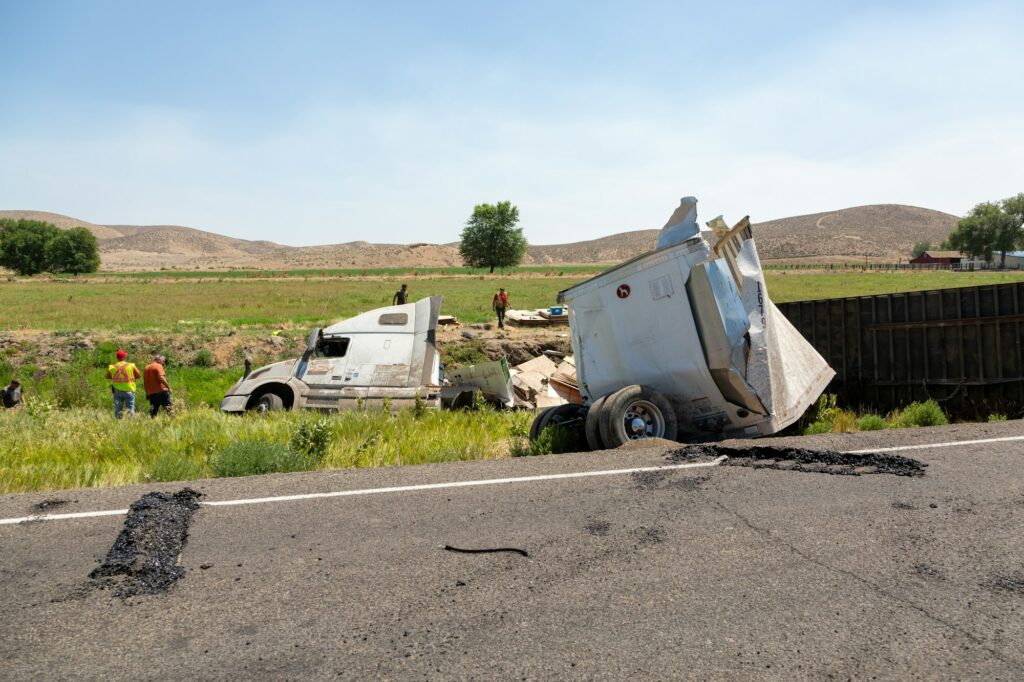
The duration of a truck accident case can vary depending on factors such as the complexity of the case, the willingness of the parties to negotiate, and court scheduling. We can provide a more accurate timeline based on the specifics of your individual case.
Contact our Las Vegas Truck Accident Attorneys at Miller Personal Injury Attorneys
If you’ve suffered a truck accident in Las Vegas, remember you’re not alone. At Miller Personal Injury Attorneys, we’re committed to advocating for your rights and pursuing justice on your behalf. We are dedicated to providing compassionate support and aggressive representation throughout the legal process. Contact us today for a free consultation and let us help you navigate this challenging time with confidence and dignity. With Miller Personal Injury Attorneys by your side, you can rest assured that your case is in capable hands, and we’ll fight tirelessly to secure the compensation you deserve.
According to Nevada law, the personal representative of the deceased person’s estate is the one who typically brings forth a wrongful death claim. This representative files the claim on behalf of the deceased person’s heirs, which can include their surviving spouse, domestic partner, children, or other dependents. It is important for families to consult with an experienced wrongful death attorney like Miller Personal Injury Attorneys to understand their legal rights and determine who is eligible to seek compensation.
Nevada follows a comparative negligence rule, which means that compensation can still be sought in a wrongful death case even if the deceased was partially at fault, as long as their percentage of fault was less than 50%.
If the responsible party is uninsured or underinsured, it may still be possible to seek compensation through other avenues, such as the deceased’s own uninsured/underinsured motorist coverage or through third-party liability claims, depending on the circumstances of the case.
The duration of a wrongful death lawsuit in Nevada can vary widely depending on the complexity of the case, the willingness of parties to settle, and the court’s schedule. Cases can range from several months to a few years.
Premises liability refers to the legal principle that holds property owners and occupiers responsible for accidents and injuries that occur on their property. This concept is based on the notion that those who own or control a property must ensure it is reasonably safe for those who enter it, whether they are visitors, customers, or even trespassers in certain situations. When they fail to meet this responsibility, and someone is injured as a result, the injured party may have the right to seek compensation for their damages.
Wrongful death in Nevada is defined as a death that occurs as a result of a negligent, careless, intentional, or reckless act of another person or entity. Common causes include car accidents, medical malpractice, workplace accidents, and criminal acts.
Yes, Nevada adheres to the principle of modified comparative negligence in premises liability cases. This means that if you are injured on someone else’s property, the court will determine the degree of fault attributable to both you and the property owner. Your compensation will be reduced by your percentage of fault, provided that your fault is less than 50%. If your fault equals or exceeds 50%, you will be ineligible to recover damages under Nevada law.
Under Nevada law, property owners and occupiers are individuals or entities that possess or control a property. This can include homeowners, tenants, landlords, and businesses that occupy buildings. The law distinguishes between different types of occupiers, such as tenants versus landlords, based on who has control over the premises where the injury occurred.
In Nevada, the duty of care owed to invitees — people who enter a property for business purposes or public invitees who enter premises open to the public — is relatively high. Property owners and occupiers must ensure their property is reasonably safe and must warn invitees of any non-obvious dangers that the owner or occupier is aware of, or should be aware of, through reasonable inspection. This duty encompasses regular inspections of the property, repairing known hazards, and providing adequate warnings about potential dangers.
In Nevada, damages in a premises liability case are calculated based on several factors, including the nature and severity of your injuries, the impact on your quality of life, and any financial losses you’ve incurred as a result of the injury. Damages can include medical expenses, lost wages, pain and suffering, and loss of enjoyment of life. In some cases, punitive damages may also be awarded if the defendant’s conduct was particularly egregious. An experienced attorney can help you accurately assess your damages and ensure you seek the full compensation you’re entitled to.
While trespassers generally have fewer protections under Nevada premises liability law, there are exceptions where a trespasser can file a claim for injuries sustained on someone else’s property. Property owners may still be liable if they willfully or deliberately cause harm to a trespasser, or if the trespasser is a child injured by an attractive nuisance, such as an unsecured swimming pool. Each case is unique, so it’s important to consult with an attorney to understand your rights and potential legal options, even if you were trespassing at the time of the injury.
We believe that everyone deserves access to top-quality legal representation, regardless of their financial situation. That’s why we operate on a contingency fee basis. This means you won’t pay any upfront fees or hourly rates. Our compensation is contingent upon securing a favorable settlement or verdict for you. In other words, we only get paid if you do, aligning our interests with yours and ensuring we’re fully committed to your case.
No, Nevada is not a no-fault state for car accidents. Instead, Nevada follows a “fault” or “at-fault” system when it comes to dealing with car accidents. This means that the person who is found to be legally at fault for causing the accident is responsible for compensating any injured parties for their damages, which can include medical expenses, lost wages, and pain and suffering. Under this system, the injured party has the option to file a claim with their own insurance company, file a claim directly with the at-fault driver’s insurance company, or file a lawsuit in court to seek compensation for their losses.
Nevada has a statute of limitations under Nevada Revised Statutes 484E.10 that says you must file an SR-1 Report of Traffic Accident within ten days of a car accident. You must make the report if anyone is hurt or killed in the crash or if there is apparent damage of $750 or more. But if the police respond to the accident scene and make their own report, you don’t have to file a police report.
Car accidents can result in a wide range of injuries:
- Spinal cord injuries (paralysis, nerve damage)
- Broken ribs
- Other broken bones (arms, legs, pelvis, etc.)
- Internal bleeding
- Herniated disc
- Post-traumatic stress disorder (PTSD)
- Knee trauma (ligament tears, dislocation)
- Soft tissue injuries (sprains, strains)
- Chest trauma (bruising, organ damage)
- Facial injuries (fractures, lacerations)
- Dental injuries (broken teeth, jaw fractures)
- Emotional trauma (anxiety, depression)
- Amputation or loss of limb
- Seat belt injuries (bruising, internal injuries)
- Airbag injuries (abrasions, burns)
- Eye injuries (corneal abrasions, retinal detachment)
- Possible wrongful death
- Hand & Foot Injuries
Filing a police report in Las Vegas, especially in the aftermath of a car accident or any other incident, is an essential step for ensuring proper legal documentation and facilitating any subsequent insurance claims. Our team can assist you in obtaining this report and using it to strengthen your claim. Here’s a guide on how to file a police report in Las Vegas:
At the Scene of the Incident:
If you’re involved in a car accident, it’s important to call 911 immediately if there are any injuries or significant property damage. The dispatcher will send police officers to the scene if necessary.
For minor accidents without injuries, Nevada law requires you to move your vehicle out of traffic if it’s safe to do so. You should still call the police to report the accident and determine if an officer will be dispatched to the scene.
Information to Provide:
When speaking with the police, either at the scene or when filing a report later, be prepared to provide your full name, contact information, insurance details, and a factual account of what happened. Avoid admitting fault or speculating about the cause of the incident.
Filing a Report After Leaving the Scene:
If the police did not respond to the scene and you need to file a report afterward, you can do so online or in person at a local police station.
For non-emergency situations, such as minor car accidents without injuries, you can use the Las Vegas Metropolitan Police Department’s (LVMPD) online reporting system. This can be accessed through the LVMPD’s official website. The online system will guide you through the process, which is straightforward and user-friendly.
If the incident is more serious, involves injuries, or you prefer to file the report in person, you can visit a local LVMPD area command during business hours. It’s a good idea to call ahead to verify hours and any specific requirements.
What to Include in Your Report:
Your report should include detailed information about the incident, including the date, time, location, a description of what happened, and any injuries or damages incurred. Include information about the other party (if applicable) and any witness details.
Obtaining a Copy of the Report:
After filing the report, ask the officer or the police department how and when you can obtain a copy of the report for your records. This will be important for insurance claims and any legal proceedings.
In Nevada, if you’re injured due to someone else’s negligence, you may be entitled to various types of compensation, similar to other jurisdictions but with some nuances specific to Nevada law. Understanding these nuances can help ensure you’re fully aware of your rights and the compensation you might pursue. Here’s an overview:
Medical Expenses: Nevada allows for the recovery of all medical expenses related to the injury. This includes immediate medical costs like emergency care, surgeries, and hospital stays, as well as ongoing expenses such as physical therapy, medication, and any future medical treatments.
Lost Wages: If your injuries prevent you from working, you can claim compensation for the wages you’ve lost during your recovery period. If your ability to earn money in the future is compromised, Nevada law also allows for the recovery of lost earning capacity.
Loss of Household Services: Loss of household services are a frequent element of damages in a personal injury case. If an injured person cannot perform household services for him- or herself, the injured person may have to hire someone to perform these tasks either on a temporary or perhaps even a permanent basis, especially if the injured person lives alone.
Pain and Suffering: This non-economic compensation is for the physical pain and emotional distress you’ve experienced. Nevada does not cap pain and suffering damages in most personal injury cases, except in medical malpractice claims, where non-economic damages are capped at $350,000.
Property Damage: If personal property was damaged as a result of the incident that led to your injuries, you could be compensated for repair or replacement costs, which is common in car accident cases.
Loss of Enjoyment of Life: If your injuries prevent you from enjoying hobbies, recreational activities, and other life pleasures, you can claim compensation for this loss.
Loss of Consortium: Spouses of injured individuals can claim compensation for the loss of companionship, affection, assistance, and other aspects of the marital relationship affected by the injuries.
Punitive Damages: In cases where the defendant’s actions were particularly reckless, malicious, or egregious, Nevada allows for punitive damages to punish the wrongdoer and deter similar conduct. There are statutory caps on punitive damages in Nevada, $750,000 with annual steps of $80,000 per year starting on January 1, 2024. After the cap reaches $750,000, the cap increases by 2.1% on January 1st of each year thereafter.


